-
CollectionHAK.io Method 7 - Zines
Let’s hack the Anthropocene: This learning with the land method challenges ways of knowing, being, doing through writing in the form of lo-fi, handmade Zines.
-
CollectionHAK.io Method 6 - Climate Comedy
Let’s hack the Anthropocene: This learning with the land method challenges ways of knowing, being, doing through writing in the form of Climate Comedy. This could take the form of a series of ‘knock knock’ jokes, a short stand-up routine, a mime, comic or a series of memes.
-
CollectionHAK.io Method 5 - The Hundreds
Let’s hack the Anthropocene: This learning with the land method challenges ways of knowing, being, doing through writing in the form of one hundreds. This could be done using one or a combination of our hundreds protocols: an exhaustive list of 100 words, a paragraph written in 100 words or a word with one hundred letters.
-
CollectionHAK.io Method 4 - Walking
Let’s hack the Anthropocene: This learning with the land method challenges ways of knowing, being, doing through walking on Country. Country is understood through Indigenous world-views that acknowledge “all living things to be related, destabilizing imperial hierarchies of man versus nature in ways that demand holistic respect for nature or Country” (Black, 2011; Harrison et al., 2017 as cited in Phillips et al., 2022, p. 176). Do you know the stories of this Country and land? Do you know the ancestors and traditional elders of this place that you walk upon? What have they created and left? Who are your ancestors from seven generations ago? What Country and lands did they walk upon? What decisions will you make to benefit the young people in seven generations to come?
-
CollectionHAK.io Method 3 - Hacking Cultural Stories
Let’s hack the Anthropocene: This learning with the land method challenges ways of knowing, being, doing through speculative ‘cultural storytelling’. A cultural story might be based on life lessons from the fables told in your friend, family or community groups. These can include traditional stories that have become well-known and embedded in culture. They can also include ‘fairy tales’, especially when they involve fantasy elements. In come Western cultures, Shakespeare’s play ‘Romeo & Juliet’ is a cultural story as is Melville’s 1851 novel Moby-Dick – ‘hacked’ by Patrick Ness in his 2018 novel, ‘And the Ocean Was Our Sky’.
-
CollectionHAK.io Method 2 - Emoji Stories
Let’s hack the Anthropocene: This learning with the land method challenges ways of knowing, being, doing through writing ‘emoji stories as micro fictions or flash stories’. These are a form of writing that are characterised by their language (for this we are writing in emojis) and length (for this short flash story we recommend max 40 emojis).
-
CollectionHAK.io Method 1 - Emotion Mapping
Let’s hack the Anthropocene: This learning with the land method challenges ways of knowing, being, doing through ‘emotion mapping’ with both physical and digital mapping to capture moments, associations and iterations of emotions.
-
CollectionHAK.io
a mobile education kit designed to encourage exploration, examination, and inquiry among young people, using innovative educational methods. Each session starts with climate narratives that often embody the experiences of entire communities and families. These narratives shape our perceptions of how we coexist with our environment and offer insights into alternative modes of being.Packaged in an eco-friendly box with calico bags to keep you organised, HAK.io 2023/24 Edition includes:HAK.io information booklet and guide to the hacking kitMethods cards (14x creative methods in total)Collage kitSticker packs, including emojis, colour tags, key words from hot & bothered, Anthropocene icons, map iconsHAK.io journalsWhat if ...? provocation cardsSense/think/wonder/fear-and-hope speculative thinking routine bookletColour me emotional A5 cardPencil case with hacking essentials included
-
CollectionClimate Stories
Within SWISP Lab’s Hacking the Anthropocene living lab methodology, the “At what point did you realise…?” prompt operates as more than a conversational opening. It is a methodological device that surfaces moments of recognition, rupture, and recalibration. The question directs attention toward critical thresholds: points in ecological, political, and affective systems where conditions shift irreversibly and where perception itself undergoes change.
-
ExperienceClimate Story 07
-
ExperienceClimate Story 06
-
ExperienceClimate Story 05
-
ExperienceClimate Story 04
-
ExperienceClimate Story 03
-
ExperienceClimate Story 02
-
ExperienceClimate Story 01
-
Folds
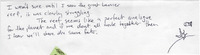 Concertina 2e
-
Folds
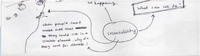 Concertina 2d
-
Folds
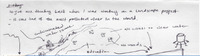 Concertina 2c
-
Folds
 Concertina 2b
-
Folds
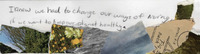 Concertina Fold 2a
-
Folds
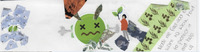 Concertina Fold 1e
-
Folds
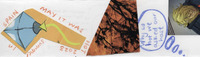 Concertina Fold 1d
-
Folds
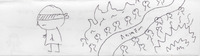 Concertina Fold 1c
-
Folds
 Concertina Fold 1b
